Owning property in New York City comes with unique HVAC challenges. From scorching summer heat waves to brutal winter freezes, your heating and cooling systems work overtime to keep tenants and residents comfortable. Without regular maintenance, even the best equipment will lose efficiency, break down prematurely, and drive up energy bills. This comprehensive checklist will help you stay on top of HVAC maintenance all year long.
Why Regular HVAC Maintenance Matters
Many NYC property owners treat HVAC maintenance as an afterthought, only calling a technician when something breaks. This reactive approach is far more expensive than preventive care. Here's why regular maintenance should be a top priority:
- Energy savings: A well-maintained HVAC system operates up to 25% more efficiently than a neglected one. Dirty filters, clogged coils, and low refrigerant force your system to work harder, consuming more electricity and driving up your Con Edison bill.
- Equipment longevity: The average lifespan of a well-maintained AC unit is 15-20 years. Without maintenance, that drops to 10-12 years. For commercial systems costing $10,000+, that's a significant difference in return on investment.
- Indoor air quality: Dirty filters, moldy ductwork, and neglected drain pans become breeding grounds for bacteria, mold, and allergens. In a city as densely populated as New York, indoor air quality directly impacts tenant health and satisfaction.
- Fewer emergency repairs: Most HVAC emergencies are preventable. A $200 maintenance visit can prevent a $2,000 compressor failure or a $5,000 heat exchanger replacement.
- Warranty protection: Most manufacturers require proof of annual maintenance to honor warranty claims. Skipping maintenance could void your warranty on expensive components.
Spring Checklist: Preparing Your AC for Summer
Spring is the ideal time to prepare your cooling system before the summer rush hits. NYC temperatures can jump from mild to sweltering in a matter of days, so don't wait until June to discover your AC isn't working. Complete these tasks between March and May:
Filter Replacement
This is the single most important maintenance task you can perform. Dirty filters restrict airflow, reduce efficiency, and put strain on the blower motor. For residential systems, replace or clean filters every 1-3 months depending on the type. For commercial properties with high foot traffic, monthly replacement is recommended.
- Check filter size and MERV rating before purchasing replacements
- Consider upgrading to MERV 11 or higher for better air quality
- Stock up on filters for the entire season so you always have spares on hand
Condenser Cleaning
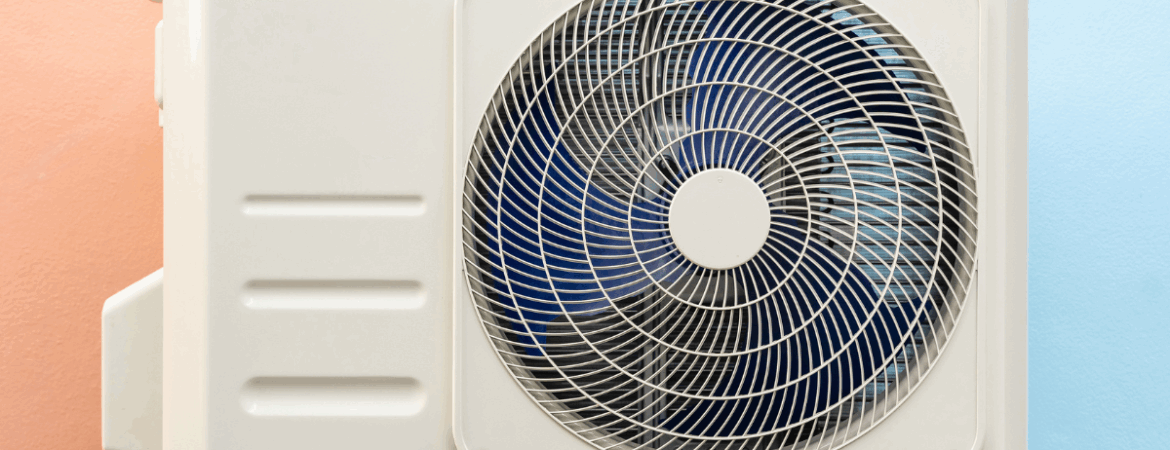
The outdoor condenser unit collects dirt, leaves, pollen, and debris over the winter months. A dirty condenser can reduce cooling capacity by up to 30%. Here's what to do:
- Turn off power to the unit before cleaning
- Remove any debris, leaves, or trash from around the unit
- Gently hose down the condenser coils from the inside out
- Straighten any bent fins with a fin comb
- Ensure at least 2 feet of clearance around the unit on all sides
Refrigerant Check
Low refrigerant levels indicate a leak somewhere in the system. Running an AC with low refrigerant damages the compressor and reduces cooling performance. This is a job for a licensed HVAC technician who can locate leaks, repair them, and recharge the system to manufacturer specifications.
Thermostat Testing
Test your thermostat by setting it to cooling mode and verifying the system responds correctly. If you have a programmable or smart thermostat, update the schedule for summer temperatures. Consider upgrading to a Wi-Fi thermostat like Ecobee or Nest for remote monitoring and energy savings of up to 15%.
Summer Tips: Keeping Cool Under Pressure
During New York's hottest months, your AC system is under maximum stress. These ongoing maintenance habits will prevent mid-summer breakdowns:
- Change filters monthly: Summer pollen, dust, and increased usage mean filters clog faster. Set a calendar reminder for the first of each month.
- Keep the condenser clear: Regularly check that nothing is blocking airflow around your outdoor unit. NYC yards and rooftops can accumulate trash and debris quickly.
- Check the condensate drain: A clogged condensate drain can cause water damage and increase indoor humidity. Pour a cup of bleach down the drain line monthly to prevent algae buildup.
- Monitor energy bills: A sudden spike in electricity costs often indicates a maintenance issue. Compare month-over-month usage to catch problems early.
- Don't overwork the system: Set your thermostat to 78°F when home and higher when away. Each degree below 78°F increases energy consumption by 3-5%.
Fall Checklist: Preparing for Heating Season
As temperatures drop, it's time to shift focus from cooling to heating. NYC building codes require landlords to maintain indoor temperatures of at least 68°F during the day and 62°F at night from October 1 through May 31. Don't wait for the first cold snap to discover your heating system needs repair.
Furnace Inspection
A professional furnace inspection should include:
- Checking the heat exchanger for cracks (a cracked heat exchanger can leak carbon monoxide)
- Testing the ignition system and safety controls
- Inspecting and cleaning the burners
- Lubricating all moving parts
- Checking gas connections for leaks
- Verifying proper airflow and temperature rise
Duct Cleaning and Inspection
Over time, ductwork accumulates dust, pet dander, mold, and even pest droppings. The National Air Duct Cleaners Association (NADCA) recommends professional duct cleaning every 3-5 years, or more frequently if you have pets, smokers, or allergy sufferers in the building. During cleaning, the technician should also inspect for:
- Leaks and disconnected joints that waste heated air
- Damaged insulation that reduces efficiency
- Signs of pest infestation
- Mold growth that could affect air quality
Carbon Monoxide Detection
Carbon monoxide (CO) is an odorless, colorless gas that kills over 400 Americans annually. NYC law requires CO detectors in all residential buildings. Before heating season begins:
- Test all CO detectors and replace batteries
- Replace any detectors older than 5-7 years
- Install detectors near all fuel-burning appliances
- Schedule a professional combustion safety test for your furnace or boiler
Winter Tips: Staying Warm and Safe
New York winters are tough on heating systems. These ongoing practices will keep your system running reliably through the coldest months:
- Keep vents clear: Make sure furniture, curtains, and rugs are not blocking supply or return vents. Blocked vents create pressure imbalances that reduce efficiency and can damage equipment.
- Monitor heating performance: If some rooms are significantly colder than others, you may have ductwork issues, a zoning problem, or a failing blower motor.
- Protect outdoor equipment: If you have a heat pump, keep the outdoor unit clear of snow and ice. Never cover a heat pump with a tarp, as it needs airflow to operate.
- Emergency preparation: Keep the phone number of a reliable HVAC technician handy. Know where your main gas shut-off valve is located. Have portable electric heaters available as backup for tenants.
- Prevent frozen pipes: Keep the thermostat at a minimum of 55°F even in unoccupied spaces. Open cabinet doors under sinks on exterior walls to allow warm air circulation.
When to Call a Professional vs. DIY
Some maintenance tasks are safe and easy for property owners to handle, while others require a licensed professional. Here's a clear breakdown:
Safe for DIY
- Replacing air filters
- Cleaning around the outdoor condenser unit
- Clearing condensate drain lines
- Testing and replacing thermostat batteries
- Checking and replacing CO detector batteries
- Clearing vents and registers of obstructions
Call a Professional
- Refrigerant recharging or leak repair (EPA certification required)
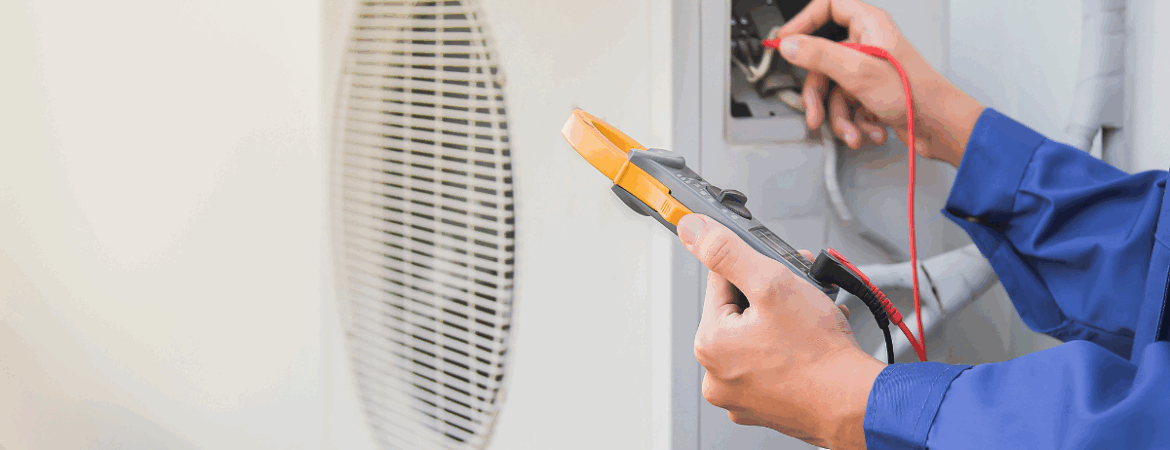
- Electrical component testing and repair
- Heat exchanger inspection
- Duct cleaning and sealing
- Furnace or boiler combustion testing
- Any gas line work
- Compressor or motor replacement
Recommended Maintenance Schedule
For NYC property owners, we recommend the following annual maintenance schedule to keep your systems in peak condition:
- Monthly: Check and replace air filters, inspect thermostat settings, visually inspect outdoor units
- Spring (March-April): Full AC tune-up, condenser cleaning, refrigerant check, test cooling mode
- Summer (June-August): Monthly filter changes, condensate drain maintenance, monitor energy usage
- Fall (September-October): Full heating system inspection, duct cleaning (every 3-5 years), CO detector testing, furnace tune-up
- Winter (December-February): Monitor heating performance, keep outdoor units clear of snow, emergency preparedness check
By following this schedule, you'll extend the life of your equipment, reduce energy costs, maintain healthy indoor air quality, and avoid costly emergency repairs. At 3D HVAC Supplies, we stock all the filters, replacement parts, and maintenance supplies you need to keep your systems running at peak performance. Visit our Flushing showroom or call us at (718) 359-8888 for expert advice on maintaining your HVAC equipment.