New York City presents unique challenges when it comes to air conditioning. Between sweltering summers that push temperatures above 95°F, aging building infrastructure, and strict local codes, choosing the wrong AC system can mean years of discomfort and wasted money. Whether you're outfitting a Brooklyn brownstone, a Queens co-op, or a Manhattan high-rise apartment, this comprehensive guide will walk you through everything you need to know to make the right choice.
Step 1: Assess Your Space and Calculate BTU Needs
The foundation of any good AC decision starts with understanding how much cooling power you actually need. In the HVAC industry, cooling capacity is measured in BTUs (British Thermal Units). Too few BTUs and your system will run constantly without adequately cooling your space. Too many, and the unit will short-cycle—turning on and off rapidly—which wastes energy and creates uncomfortable humidity levels.
As a general rule, you need approximately 20 BTUs per square foot of living space. However, several NYC-specific factors can increase this requirement:
| Room Size (sq ft) | Base BTUs Needed | With Sun Exposure |
|---|---|---|
| 150 - 250 | 5,000 - 6,000 | 6,000 - 7,500 |
| 250 - 400 | 7,000 - 9,000 | 8,500 - 11,000 |
| 400 - 650 | 9,000 - 14,000 | 11,000 - 17,000 |
| 650 - 1,000 | 14,000 - 18,000 | 17,000 - 22,000 |
| 1,000 - 1,500 | 18,000 - 24,000 | 22,000 - 30,000 |
Don't forget to adjust for these common NYC factors:
- Top-floor apartments: Add 10-15% more BTUs due to roof heat absorption
- South- or west-facing windows: Add 10% for heavy sun exposure
- Kitchen areas: Add 4,000 BTUs if the AC serves or is near a kitchen
- High ceilings (over 8 ft): Add 10% per additional foot of ceiling height
- Multiple occupants: Add 600 BTUs per person beyond two regular occupants
Step 2: Choose the Right System Type
NYC homeowners and renters have four main AC system types to choose from, each with distinct advantages and limitations. Your building type, budget, and long-term plans should all factor into this decision.
Window Air Conditioners
Window units remain the most common choice for NYC apartments, and for good reason. They're affordable (typically $200-$800), easy to install, and require no permanent modifications to your home. Modern window ACs from brands like Gree and Midea have come a long way in terms of noise and efficiency.
- Best for: Renters, single-room cooling, budget-conscious buyers
- Pros: Low upfront cost, no professional installation needed, easy to replace
- Cons: Blocks window space, limited cooling area, can be noisy, less energy-efficient than other options
Ductless Mini-Split Systems
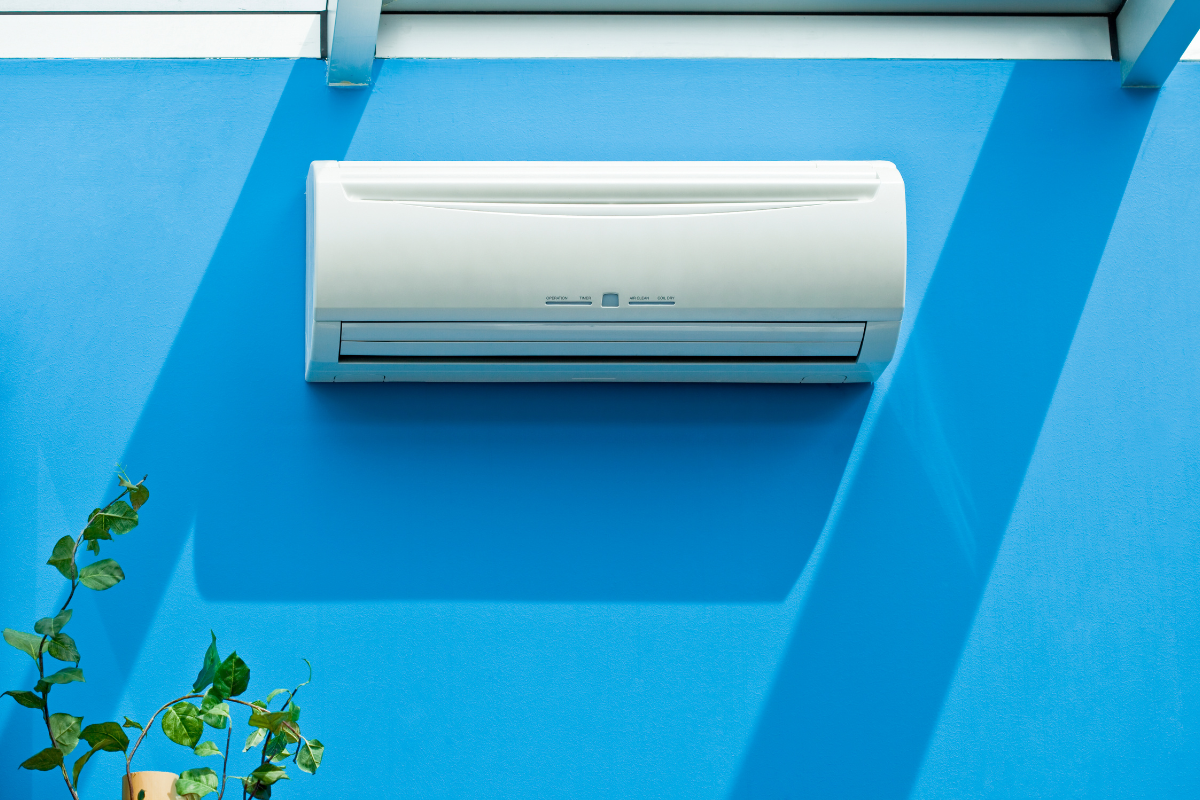
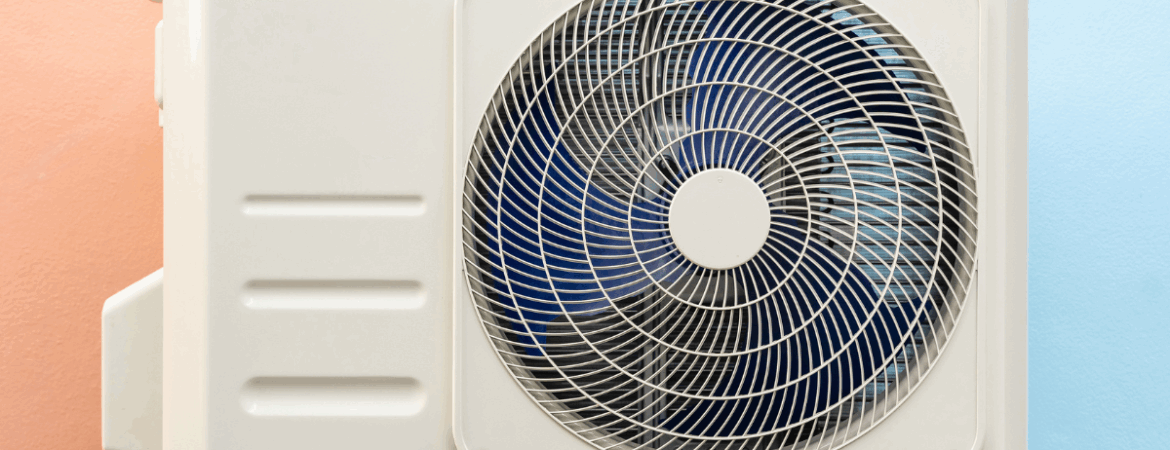
Ductless mini-splits have exploded in popularity across NYC over the past decade. These systems consist of an outdoor compressor and one or more indoor air handlers connected by refrigerant lines. They're ideal for homes without existing ductwork—which includes the majority of pre-war NYC buildings.
- Best for: Homeowners, multi-room cooling, year-round heating and cooling
- Pros: Extremely energy-efficient (up to 33 SEER), whisper-quiet, zone control, heating capability, sleek design
- Cons: Higher upfront cost ($3,000-$8,000 installed), requires professional installation, outdoor unit placement can be challenging
Top brands like Gree, Daikin, and Mitsubishi all offer excellent mini-split options. Multi-zone systems can connect up to 5 indoor units to a single outdoor compressor, making them perfect for cooling an entire apartment or townhouse.
Central Air Conditioning
Central AC systems use ductwork to distribute cooled air throughout your home. While they're the gold standard for whole-home comfort, they're less common in NYC due to the lack of existing ductwork in most apartments and brownstones.
- Best for: Homes with existing ductwork, new construction, large residences
- Pros: Whole-home cooling, consistent temperatures, hidden from view, adds property value
- Cons: Requires ductwork (expensive to retrofit), highest installation cost ($5,000-$15,000+), not feasible for most NYC apartments
PTAC Units (Packaged Terminal Air Conditioners)
If you've stayed in a NYC hotel, you've likely used a PTAC unit—those through-the-wall units beneath the window. Many NYC co-ops and condos use PTAC systems because they provide individual unit control without complex ductwork.
- Best for: Co-ops, condos, multi-family buildings, replacement of existing PTAC systems
- Pros: Individual temperature control, heating and cooling in one unit, relatively easy replacement
- Cons: Requires a wall sleeve, can be noisy, less efficient than mini-splits, limited aesthetic appeal
Step 3: Understand Energy Efficiency Ratings
Energy efficiency is critical in NYC, where electricity rates are among the highest in the nation (averaging $0.22-$0.30 per kWh). The key metric to understand is the SEER rating (Seasonal Energy Efficiency Ratio).
- Minimum standard: The federal minimum is 14 SEER for most residential systems (15 SEER in southern states)
- Good efficiency: 16-20 SEER provides solid energy savings without a huge premium
- High efficiency: 20-25 SEER offers significant long-term savings, ideal for heavy-use environments
- Ultra-high efficiency: 25+ SEER (available in premium mini-splits) maximizes savings for year-round use
Look for the ENERGY STAR certification, which guarantees the unit meets strict energy efficiency guidelines set by the EPA. ENERGY STAR-certified systems use at least 15% less energy than conventional models, and many NYC utility rebate programs require ENERGY STAR certification to qualify.
For a deeper dive into efficiency ratings, check out our guide to SEER ratings and energy-efficient AC systems.
Step 4: Navigate NYC Building Codes and Regulations
New York City has some of the most complex building codes in the country, and HVAC installations are no exception. Here are the key regulations you need to be aware of:
- Local Law 97: NYC's landmark climate legislation requires buildings over 25,000 sq ft to meet strict carbon emissions limits starting in 2024, with tighter limits in 2030. This is driving a massive shift toward high-efficiency heat pump systems.
- DOB permits: Most AC installations that involve electrical work, refrigerant lines through walls, or outdoor unit mounting require a Department of Buildings work permit.
- Co-op and condo board approval: If you live in a co-op or condo, you'll almost certainly need board approval before installing a mini-split or any system that requires exterior work. Plan for 4-8 weeks of review time.
- Window unit regulations: NYC law requires that window AC units installed above the first floor be secured with a bracket or support that meets UL safety standards. Landlords must provide these brackets upon request.
- Noise ordinances: NYC noise code limits outdoor condenser noise levels to 42 dBA at the property line between 10 PM and 7 AM. Premium brands like Mitsubishi and Daikin are designed to operate well below this threshold.
Step 5: Plan for Installation and Maintenance
A well-installed AC system can last 15-20 years, while a poorly installed one might fail within 5. Here's what to keep in mind:
- Hire licensed professionals: In NYC, HVAC installation must be performed by licensed contractors. Always verify your installer's Home Improvement Contractor (HIC) license through the NYC Department of Consumer and Worker Protection.
- Schedule a pre-installation assessment: A reputable installer will evaluate your space, electrical capacity, and building requirements before recommending a system. Be wary of anyone who quotes a price sight unseen.
- Plan for regular maintenance: Clean or replace filters every 1-3 months. Schedule professional maintenance annually—ideally in spring before the cooling season. This ensures peak efficiency and extends system life.
- Consider a maintenance agreement: Many suppliers and installers offer annual maintenance plans that include filter changes, coil cleaning, refrigerant checks, and priority service. These typically cost $150-$300/year and can prevent costly breakdowns.
Making Your Final Decision
Choosing the right AC system comes down to balancing your immediate budget with long-term value. Here's our quick decision framework:
- Renter on a budget? A quality window unit from Gree or Midea will serve you well at minimal cost.
- Homeowner wanting efficiency? A ductless mini-split system offers the best combination of performance, efficiency, and comfort.
- Have existing ductwork? Central AC or a ducted mini-split system will deliver seamless whole-home comfort.
- Replacing a PTAC? Modern PTAC units from Gree and Amana offer dramatically improved efficiency and noise levels over older models.
At 3D HVAC Supplies, we carry all major brands and system types at wholesale pricing. Visit our Flushing showroom to see units in person, or call us at (718) 359-8888 for a personalized recommendation. Our team has helped thousands of NYC homeowners, contractors, and property managers find the perfect AC solution—and we'd love to help you too.